The Ultimate Guide to Mango Pulp: From Farm to Global Markets
The Ultimate Guide to Mango Pulp: From Farm to Global Markets
Mango pulp has become a key ingredient in the global food and beverage industry. From refreshing juices to rich desserts, its vibrant flavor and natural sweetness make it a popular choice for both manufacturers and consumers. As the demand for tropical fruit-based products continues to grow, mango pulp remains a versatile and valuable ingredient.
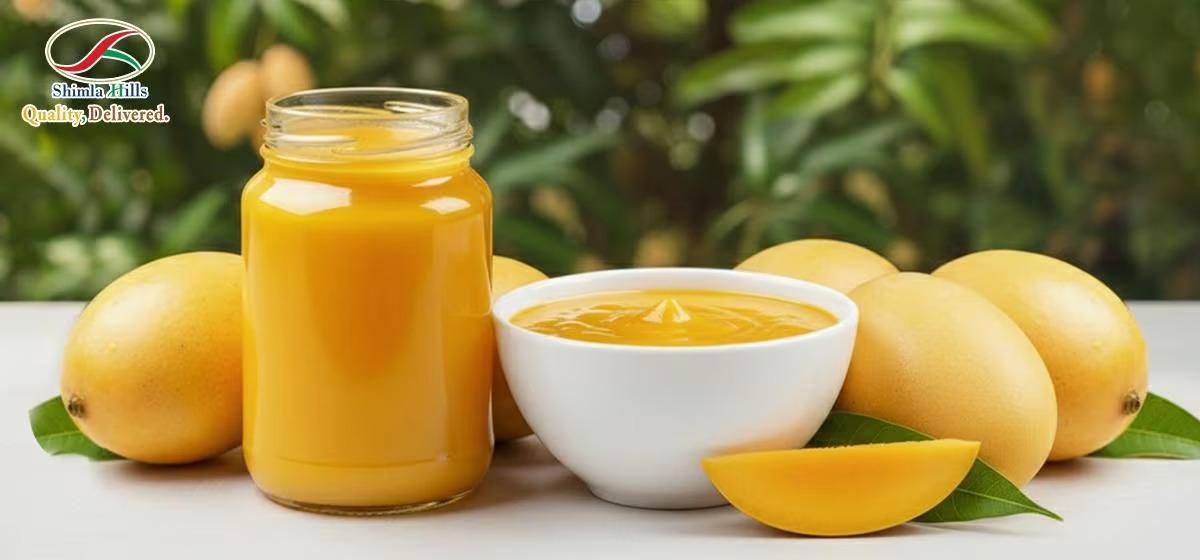
With more attention on quality, hygiene, and sustainability, buyers now seek trustworthy mango pulp manufacturers and exporters who can provide consistency and meet international standards. Whether it’s natural mango pulp, aseptic mango pulp, or organic mango pulp, the emphasis is on high-quality products that satisfy global expectations.
Therefore, understanding the production process, applications, and sourcing strategies is important for businesses looking to thrive in the competitive mango pulp market. Why Mango Pulp Is a Global Favorite Ingredient
Understanding Mango Pulp and Mango Puree
Mango pulp and mango puree come from fully ripe mangoes that are processed to preserve their natural taste, color, and nutrients. While they are similar, mango pulp typically has more fiber and a thicker consistency, making it suitable for industrial use.
On the other hand, mango puree is often smoother and more refined. It is used in premium beverages and baby food products. Both are essential in food manufacturing and bulk export markets. Modern processing methods help mango pulp concentrate and aseptic mango pulp stay fresh for longer without preservatives. This means they can be shipped worldwide while maintaining quality.
The Manufacturing Process of Premium Mango Pulp
Producing high-quality mango pulp requires precision, cleanliness, and the right technology. Leading manufacturers like Shimla Hills use internationally approved systems to ensure consistent results.
1: Selection of Raw Mangoes
First, fully ripe and disease-free mangoes are picked from trusted farms. Varieties such as Totapuri, Alphonso, and Kesar are commonly used for making pulp.
2: Washing and Sorting
Next, the mangoes are washed thoroughly to remove dirt, pesticides, and impurities. Sorting makes sure that only the best fruit continues in the process.
3: Pulp Extraction
After peeling and deseeding, the fruit goes through pulping machines. This step separates the fiber and seeds while keeping the natural flavor intact.
4: Pasteurization and Concentration
Then, the pulp is heated to kill microbes. Sometimes, it is processed into mango pulp concentrate for a longer shelf life and easier export.
5: Aseptic Packaging
Finally, aseptic mango pulp is packaged in sterile conditions using food-grade materials. This ensures it remains stable for a long time without preservatives.
Types of Mango Pulp Available in the Market
Today, buyers can choose from various types of mango pulp and puree based on their application, target market, and quality needs. Each type is processed to meet specific industrial and consumer demands.
1. Natural Mango Pulp
This type is minimally processed and keeps the authentic taste, smell, and nutrients of fresh mangoes. It is perfect for juice manufacturers, smoothie brands, and premium beverage companies looking for clean-label products.
2. Organic Mango Pulp
Made from organically grown mangoes without chemical fertilizers or pesticides, this pulp meets international organic standards. It is in high demand in Europe, North America, and health-oriented markets.
3. Aseptic Mango Pulp
Packed in sterilized bags and drums, this pulp has a long shelf life without preservatives. Therefore, it is widely used for bulk export and long-distance transport.
4. Mango Pulp Concentrate
With lower water content, this form is concentrated and cost-effective for international shipping. It is preferred by large processors and beverage manufacturers for reconstitution.
5. Premium Mango Pulp
This category emphasizes rich color, high Brix value, smooth texture, and consistent flavor. It mainly supplies high-end food and beverage companies and private-label brands.
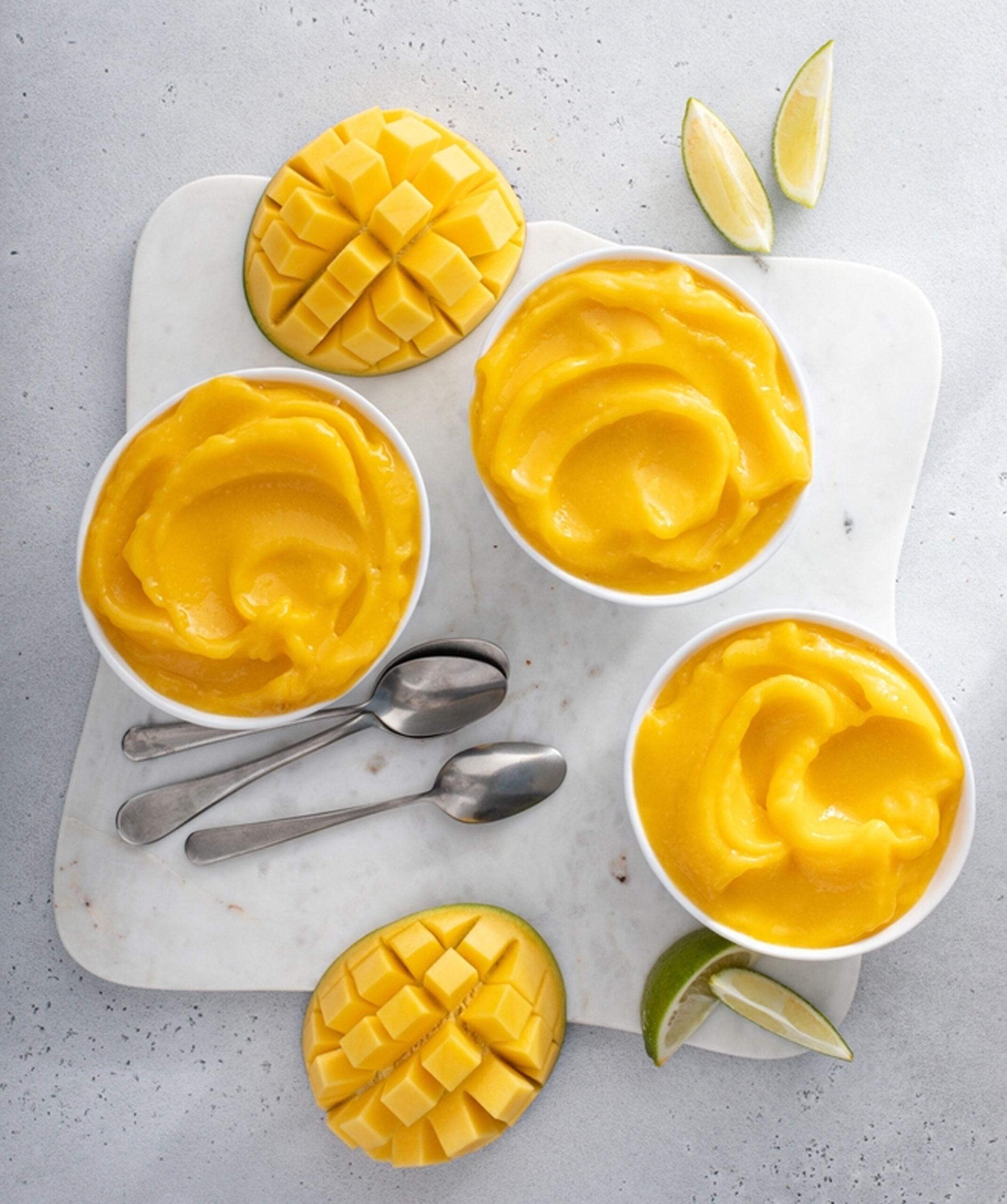
Variety-Based Mango Puree and Pulp Types
In addition to processing methods, mango pulp is also classified based on the varieties, which directly affect flavor, aroma, and application.
Alphonso Mango Puree
Known for its rich aroma and sweetness, Alphonso mango puree is considered the top variety. It is widely used in luxury desserts, drinks, and export products.
Kesar Mango Puree
Kesar mango puree has a distinct saffron-like aroma and bright color. It is popular in dairy products, ice cream, and traditional sweets.
Totapuri Mango Puree
Totapuri mango puree is mildly tangy and less sweet, making it suitable for juices, concentrates, and blended products. It is one of the most common varieties for industrial processing.
Raspuri Mango Puree
Raspuri mango puree has a balanced sweet-tart flavor and strong scent. It is often found in regional beverages and specialty food items.
Green Mango Puree
Made from raw or semi-ripe mangoes, green mango puree has a tangy and refreshing taste. It is mainly used in sauces, drinks, chutneys, and flavor applications.
Applications of Mango Pulp Across Industries
One of the biggest strengths of mango pulp lies in its versatility. It is widely used across multiple sectors.
Mango Pulp for Beverages
Juices, smoothies, nectars, and energy drinks heavily rely on mango pulp for natural sweetness and flavor.
Mango Pulp for Ice Cream
Ice cream manufacturers use pulp to create creamy, fruity variants that appeal to all age groups.
Mango Pulp for Bakery
In bakeries, mango pulp is used in cakes, fillings, pastries, and muffins to enhance taste and moisture.
Mango Pulp for Dairy Products
Yogurts, flavored milk, and desserts benefit from mango pulp’s natural richness.
Mango Pulp for Sauces and Confectionery
It is also used in jams, sauces, candies, and fruit bars.
Thus, mango pulp remains an indispensable ingredient for food innovators worldwide.
Choosing the right supplier is an important decision.
 Here are some practical steps: -
- Check manufacturing capacity and certifications
- Review export experience and global presence
- Analyze customer reviews and references
- Evaluate sample quality
Confirm logistics and after-sales support Moreover, professional suppliers offer flexible minimum order quantities, competitive pricing, and opportunities for long-term partnerships.
Therefore, choosing a reliable mango pulp exporter ensures business stability and growth.
Certifications and Quality Standards at Shimla Hills
To meet global standards, product safety, and international acceptance, Shimla Hills follows strict quality protocols and holds multiple recognized certifications. These certifications show the company’s commitment to high standards, hygiene, and ethical sourcing.
✔ FSSAI – Food Safety Compliance
Certified by the Food Safety and Standards Authority of India, this ensures all mango pulp and puree products meet national food safety and hygiene standards.
✔ Export House Certification
As a recognized Export House, Shimla Hills is authorized to conduct large-scale international trade, ensuring smooth global supply and dependable B2B partnerships.
✔ BRC – Global Food Safety Standard
Accredited under BRCGS, this certification confirms world-class manufacturing practices, quality control, and risk management systems.
✔ Organic Certification
This certification verifies that organic mango pulp is made using chemical-free farming and sustainable practices, meeting international organic standards.
✔ USFDA Registration
Registered with the U.S. Food and Drug Administration, allowing authorized export of mango pulp and puree to the U.S. market.
✔ APEDA Registration
Recognized by the Agricultural and Processed Food Products Export Development Authority, ensuring compliance with Indian export regulations and quality standards.
✔ RCMC – IEOPC Membership
Holding RCMC under the Indian Oilseeds and Produce Export Promotion Council, this certification supports structured export operations and the promotion of international trade.
Conclusion
Mango pulp is more than just a fruit ingredient—it is a foundation for many food and beverage innovations. From natural mango pulp to aseptic mango pulp and mango pulp concentrate, each variant serves a unique purpose in the market.
As the need for reliable mango pulp manufacturers, exporters, and B2B suppliers grows, choosing the right partner has become essential. Quality, consistency, and compliance are the keys to long-term success in this industry.
In conclusion, whether you are a beverage producer, ice cream maker, bakery brand, or bulk importer, partnering with a top mango pulp supplier will help you achieve sustainable growth and compete globally.


Comments
Post a Comment