Mango Pulp: A Versatile Fruit Ingredient Powering the Global Food & Beverage Industry
Mango is well known for its characteristic smell, strong taste, bright colour, and natural sweetness. Yet its value goes well beyond that of being eaten fresh. By means of modern food processing, ripe mangoes can be turned into mango pulp, a versatile ingredient that is used by food manufacturers, beverage producers, dessert companies, and other firms in the global Food and Beverage Industry.
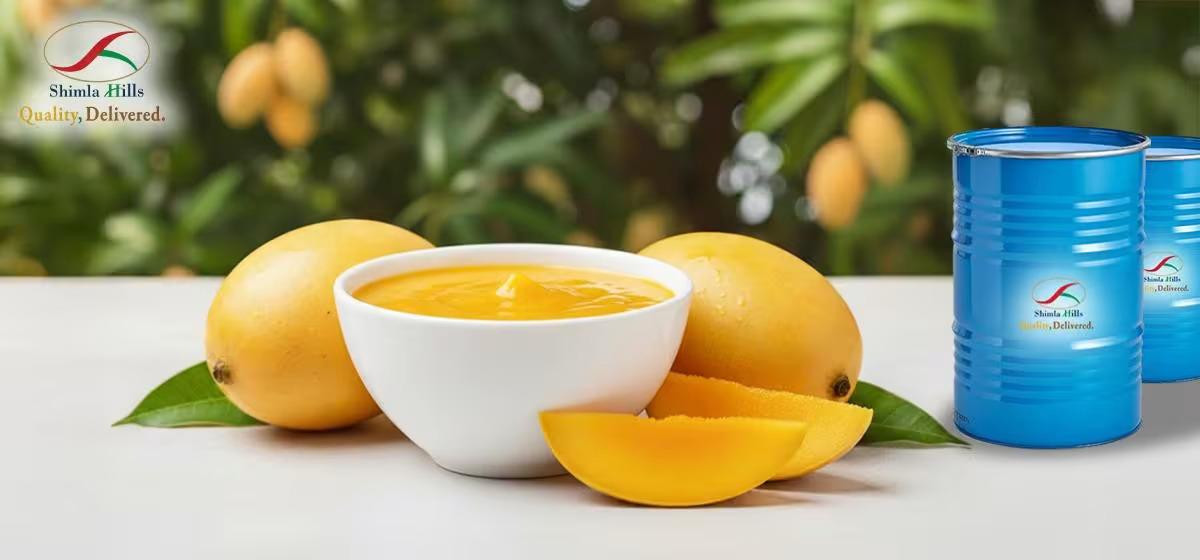
For manufacturers mango pulp provides a practical means of including the distinctive taste and texture of mango in a variety of products all through the year. It is usable in beverages, desserts, confectionery, sauces, bakery products, yoghurt, jams, and in a number of other food uses.
Because demand is increasing for products that are convenient, have fruit as their base and are naturally flavoured, the importance of processed fruit ingredients is growing all the more. India's position as a major destination from which to source mango pulp manufacturers, mango suppliers and mango pulp exporters has therefore become stronger.
Understanding Mango Pulp and Its Importance for Food Manufacturers
Mango pulp is made by extracting the edible flesh of ripe mangoes and then processing it into a smooth fruit ingredient. The characteristics of the final pulp regarding flavour, colour, aroma, acidity, sweetness, and consistency will vary depending on the type of mango and on its intended use. For food production companies, the versatility of mango pulp means that it is a valuable raw material. Rather than having to process fresh mangoes each time a product is made, companies can use processed mango pulp as required by their formulations and production needs.
This is especially beneficial for firms that produce products on a large scale since a steady supply of mango pulp can assist manufacturers in keeping the flavour and texture consistent throughout various production batches. Mango pulp can be turned into various related products such as mango concentrate, mango puree, and mango pulp concentrate, according to the needs of the final product.
India’s Growing Role in Mango Pulp Manufacturing and Exports
India has a solid agricultural foundation and is well known for growing mangoes. This forms an important basis for its processed mango industry. The presence of mango-growing areas, together with the processing facilities, sourcing networks, and ability to export has enabled India to establish itself as an important market for processed mango ingredients.
In order to produce ingredients that are suitable for use by both domestic and international food manufacturers, companies in the modern food processing industry make use of specialised processing and packaging systems. For international buyers it is important to choose an experienced mango pulp exporter since large-scale food production depends on a reliable supply, consistent specifications, suitable packaging and efficient logistics. Indian manufacturers of mango pulp can meet the needs of various industrial applications by providing different kinds of mangoes and various methods of processing suitable for particular product requirements.
Why Mango Pulp Is Valuable for the Food & Beverage Industry
The reason why mango pulp is so popular is that it manages to combine flavour, colour, aroma, and functionality within a single ingredient. For food and beverage manufacturers the presence of these characteristics can make the process of developing products simpler and at the same time help them to produce mango-based products which have a clearly identifiable fruit flavour.
Consistent Mango Flavour
Fresh mangoes can naturally vary depending on variety, growing conditions, maturity, and season. Processed mango pulp provides manufacturers with a more controlled ingredient for formulation and production.
Versatile Product Application
Mango pulp can be incorporated into a broad range of food and beverage categories. This allows manufacturers to use one fruit ingredient across multiple product lines.
Year-Round Product Development
Mango is a seasonal fruit, but processed mango ingredients allow businesses to develop and manufacture mango-based products beyond the fresh fruit season.
Natural Fruit Character
High-quality natural mango pulp can provide the characteristic taste, aroma, colour, and mouthfeel associated with ripe mangoes, making it useful for fruit-focused formulations.
Selecting the Right Mango Pulp Manufacturer in India
For food and beverage companies, choosing an appropriate mango pulp manufacturer is a significant decision. While price is just one consideration, buyers should also look at the manufacturer's processing capabilities, the consistency of the product, its food safety practices, its sourcing systems, its packaging, any certifications it holds, and its experience in exporting. A supplier who is reliable ought to be able to give clear specifications for the product and ensure that the quality remains consistent from batch to batch.
What Should Buyers Check Before Choosing a Supplier?
Businesses sourcing mango pulp can consider:
-
Quality of the raw mangoes
-
Mango varieties available
-
Processing technology
-
Product specifications and consistency
-
Hygiene and food safety systems
-
Traceability of raw materials
-
Packaging options
-
Storage and transportation requirements
-
Export and logistics capabilities
-
Certifications and regulatory compliance
-
Ability to fulfil bulk orders
-
Experience working with international buyers
Aseptic Mango Pulp and Modern Food Processing
Technology has a major role in modern fruit processing, and one of the forms used by food manufacturers who need a processed fruit ingredient with a long shelf life under proper storage conditions is aseptic mango pulp. Aseptic processing and packaging are intended to keep the product safe during handling and storage while at the same time enabling efficient distribution; for business-to-business buyers, this means that aseptic mango pulp can be a practical ingredient when large-scale manufacturing and international supply chains are involved.
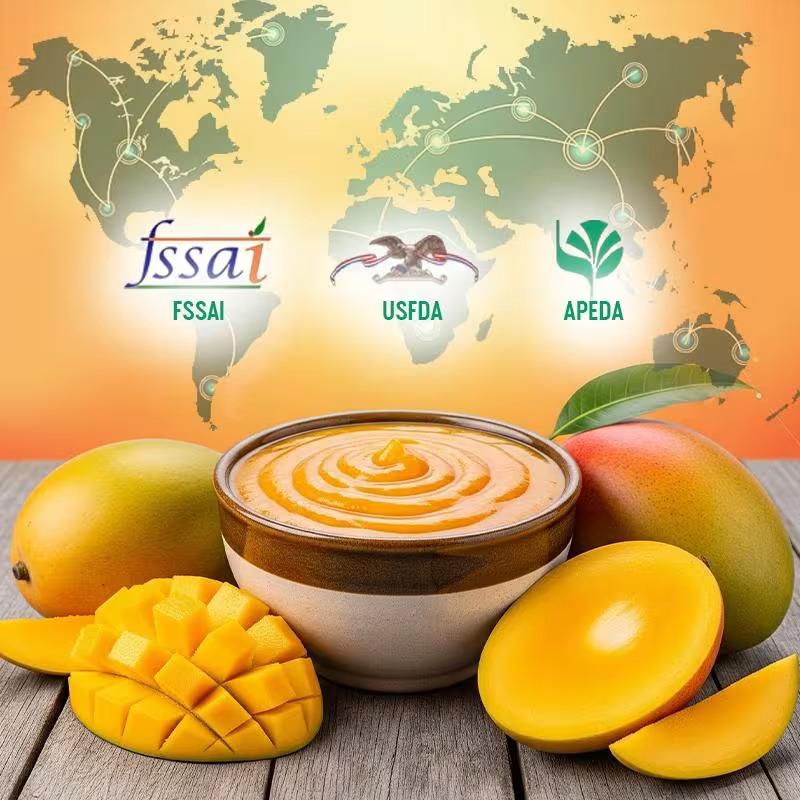
At the Shimla Hills plant, mango pulp and puree products are produced using modern food processing methods, with an emphasis on quality, consistency, food safety and traceability. The company provides a range of mango varieties such as Alphonso, Totapuri, Kesar, Raspuri and Green Mango Puree for use in industrial applications.
Where Is Mango Pulp Used?
One of the biggest strengths of mango pulp is its flexibility. It can be used as an ingredient across multiple food categories, allowing manufacturers to create different products from a common fruit base.
Mango Pulp in Beverages
The beverage sector is one of the major application areas for mango-based ingredients.
Mango pulp can be used in:
-
Mango drinks
-
Fruit juices
-
Nectar
-
Smoothies
-
Fruit blends
-
Flavoured dairy beverages
-
Yoghurt drinks
-
Beverage bases
Its characteristic colour, aroma, flavour, and texture can help manufacturers develop mango-based beverages for different consumer markets.
Mango Pulp in Desserts
Mango is naturally suited to desserts because of its sweet and aromatic profile.
Manufacturers can use mango pulp in:
-
Ice creams
-
Sorbets
-
Puddings
-
Mousses
-
Fruit desserts
-
Dessert sauces
-
Frozen desserts
Mango Pulp in Bakery and Confectionery
The bakery and confectionery industries also use fruit ingredients in fillings, toppings, coatings, and flavour formulations.
Mango pulp can be incorporated into:
-
Cakes
-
Pastries
-
Bakery fillings
-
Fruit jellies
-
Candies
-
Confectionery products
-
Fruit preparations
Mango Pulp in Jams and Fruit Preparations
Mango pulp can also serve as a base for jams, fruit preparations, spreads, and related products. Its fruit character makes it suitable for manufacturers looking to develop mango-focused formulations at commercial scale.
Mango Pulp, Mango Puree and Mango Concentrate: How Are They Used?
In the food industry these terms are sometimes used in the same way, but their processing methods and uses can be different.
Mango pulp is usually the processed edible flesh of mangoes and is frequently used as a fruit ingredient.
Mango puree is a smooth fruit product which can be used in beverages, desserts, sauces, bakery items, and other types of preparations.
Mango concentrate is made by concentrating the fruit part and can be useful in cases where manufacturers need a more concentrated mango ingredient for certain formulations. What ingredient should be used will depend on the product being developed, the processing requirements, the desired flavour profile, and the formulation specifications.
Why Food Production Companies Prefer Processed Mango Ingredients
Large-scale food producers need ingredients which are able to function efficiently in existing manufacturing systems, since fresh mangoes involve extra handling, preparation, processing and seasonal planning. For many industrial uses, processed mango ingredients offer a more convenient option. Businesses may include processed mango in their manufacturing processes as specified by their products by obtaining it from a well-known mango supplier. This is especially beneficial for manufacturers who produce beverages, desserts, confectionery, jams, bakery products, and other fruit-based products on a commercial scale.
Quality and Traceability Matter in Mango Pulp Supply
For international food manufacturers, quality of ingredients includes more than just taste; buyers also need to have confidence in the sourcing, processing, food safety, the documentation, and the consistency of the supply. The modern food processing industry therefore places a great deal of emphasis on quality assurance and traceability.

The Shimla Hills business, in its B2B food ingredient operations, emphasizes farm-level traceability, compliance with food safety standards, its sourcing networks, and its advanced processing infrastructure. The manufacturing capabilities it has include aseptic processing, canning, and IQF processing. When businesses buy mango pulp in large quantities, such systems can give them greater confidence in using the ingredient in their commercial production.
Mango Pulp as a Strategic Ingredient for Global Food Brands
The food industry continues to develop products that combine convenience, familiar flavours, and fruit-based ingredients. Mango fits naturally into this trend because of its global popularity and versatility. For Food and Beverage Companies, mango pulp can provide an opportunity to create products across multiple categories while maintaining a recognisable fruit profile.
For exporters and distributors, processed mango ingredients can also provide an efficient way to participate in the international demand for mango-based food products without relying exclusively on fresh mango supply. This makes mango pulp more than just a processed fruit ingredient. It can become an important component of a broader product development and sourcing strategy.
Choose the Right Mango Pulp Supplier for Your Business
Mango pulp still links agricultural production with modern food manufacturing, since it provides manufacturers with a practical method of including mango in a variety of commercial products such as beverages and ice creams, bakery items, confectionery, jams, sauces, and other new types of formulations. For businesses that source processed fruit ingredients, arranging to work with a skilled mango pulp manufacturer in India can aid in ensuring quality, consistency, and a reliable supply.
Shimla Hills provides mango pulp and puree for use by international food and beverage manufacturers, offering processing facilities that are tailored to meet industrial and export needs. If you are seeking natural mango pulp, aseptic mango pulp, mango puree, mango concentrate, or other processed fruit ingredients, then selecting a supplier who has reliable sourcing, modern processing facilities, and existing export capabilities can aid in creating a more robust and reliable supply chain.


Comments
Post a Comment